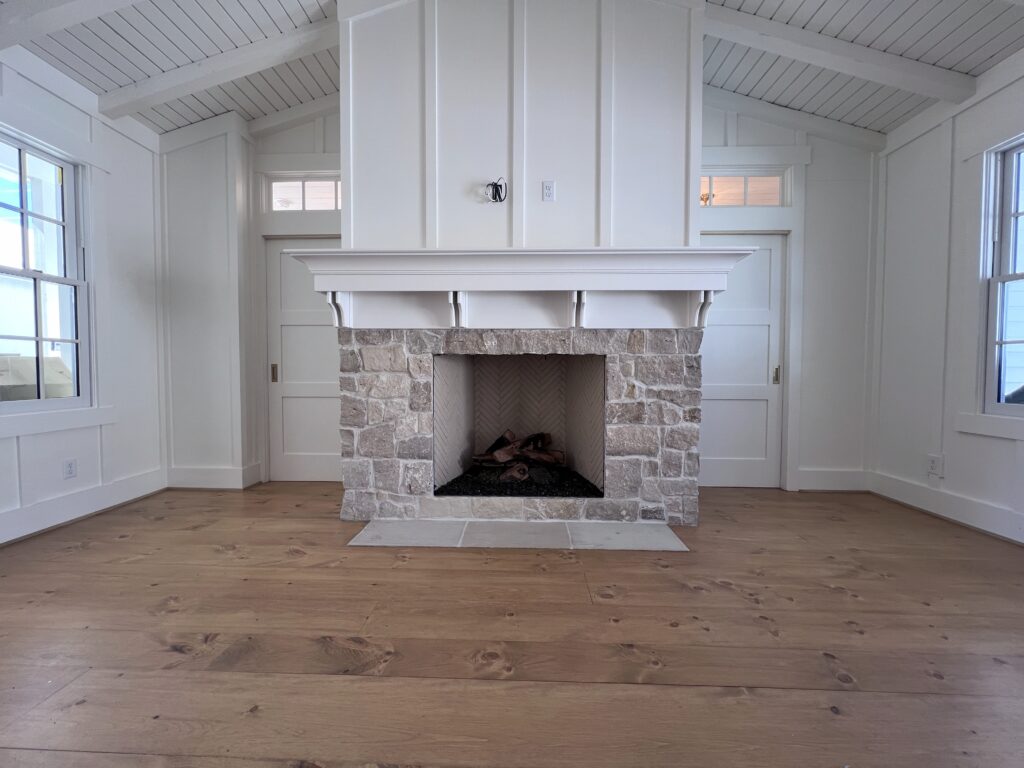
Understanding Cost vs. Value in Finish Carpentry: What Homeowners in Castle Rock Need to Know
As a professional finish carpenter working in Castle Rock and throughout Colorado’s Front Range, I’ve had more conversations than I can count that begin with a variation of this phrase: “We want it to look high-end, but we’re on a budget.”
I get it. Everyone has a budget. But here’s the thing — when it comes to custom finish carpentry, you can’t separate quality from the cost it takes to achieve it. Skilled labor, done right, is not cheap. And cheap labor, no matter how it’s framed, rarely delivers lasting value.
Yet when you walk into a room that has been touched by the hands of a true professional — where every reveal is even, every proportion is balanced, and every joint is tight — you know it. You feel it. Quality carpentry is something that transcends trends. It adds value to your home in both tangible and intangible ways. But that quality doesn’t happen by accident. It takes planning, care, experience, and yes — it takes money.
Why Labor Costs What It Costs
Let’s be real: many people don’t have a solid reference point for what professional carpentry should cost. We’re all used to pulling up an app or calling a handyman for basic jobs, but finish carpentry — the kind that transforms a plain space into something special — is an entirely different league.
When you hire a professional finish carpenter, you’re not just paying for someone to nail boards to a wall. You’re investing in:
- Years (often decades) of honed skill
- A deep understanding of materials, design principles, and proportions
- The ability to read between the lines of an inspiration photo and make it work for your unique space
- The tools and shop-quality equipment required to achieve precision work on-site
- The planning, the problem-solving, and the persistence it takes to do the job right, not just fast
You’re also bringing someone into your home, often for several days or weeks. That person should be professional, respectful, personable, and focused on leaving your space cleaner and better than they found it.
Design Sense Isn’t Optional — It’s Part of the Value
One of the often-overlooked values a seasoned finish carpenter brings to the table is design intuition. This is especially important in custom trim work, built-ins, paneling, and cabinetry.
What does that mean, exactly?
It means understanding how a 1/8” reveal can affect the overall look of a cabinet face. It means knowing how to size a crown molding so it doesn’t overwhelm a low ceiling — or get swallowed in a tall one. It means recognizing the difference between what’s “close enough” and what will actually look right when the sunlight hits it just so in the afternoon.
Proportions, symmetry, flow — these aren’t just cosmetic touches. They’re the difference between amateur and professional results.
The Disconnect: Budget vs. Expectation
Here’s where I often see the biggest gap: homeowners know quality when they see it, but they don’t always realize what it takes to achieve that quality — until they’ve seen it done poorly.
There’s a saying I’ve repeated often because it hits the nail squarely on the head:
“Good labor isn’t cheap, and cheap labor isn’t good.”
You can find someone to throw up shiplap or baseboards for a low rate, but that’s rarely where the story ends. Misaligned joints, sloppy miters, inconsistent reveals — it might all seem minor at first, until you live with it and realize it feels off. And by then, you’ve either settled for less than you wanted or you’re paying to have it redone.
What True Value Looks Like
When you work with a carpenter who’s truly invested in their craft, you get more than clean cuts and pretty corners. You get someone who:
- Listens to your vision and translates it into reality, even if you’re starting from a Pinterest photo and a few hand gestures
- Designs solutions that are both functional and beautiful
- Shows up with the right tools — not just a truck and a chop saw, but track saws, routers, dust collection, jigs, clamps, and systems that deliver shop-grade results on-site
- Keeps your space clean, safe, and minimally disruptive throughout the build
- Manages every detail, from initial layout to final touch-ups, so you’re never left with a “good enough” finish
That’s value. It’s not about finding the lowest bidder. It’s about hiring someone who brings experience, integrity, and dedication to your home — and builds something that actually elevates it.
The Bottom Line for Castle Rock Homeowners
Here in Castle Rock and throughout the Front Range, homes range from brand-new suburban builds to older mountain properties — but they all have one thing in common: the potential to be better finished, better refined, and more custom than they are now.
Whether it’s a set of built-ins, wainscoting, crown molding, or a one-of-a-kind accent wall, a finish carpenter with the right blend of craftsmanship, professionalism, and design insight brings enormous value to your project.
And that value? It goes far beyond what you can measure in dollars. It’s in how a room feels when you walk into it. It’s in how the light plays across a perfectly scribed baseboard. It’s in knowing that what you’ve added to your home was built to last, with skill and pride.
So if you’re considering a project — and you care about the details — make sure you’re looking at more than just the bottom line. Look for someone who sees your home the way you do. That’s where true value begins.
Looking for a finish carpenter in Castle Rock who understands quality, design, and craftsmanship? Let’s talk about your project — and build something worth every penny.
Dan Hall // IRT Carpentry // 720.248.8716 //dan@irtcarpentry.com
The Real Difference Between Site-Built vs. Shop-Built Cabinetry: What Homeowners in Castle Rock Should Know
If you’re considering custom built-ins or cabinetry for your home in Castle Rock or anywhere along the Front Range, you’re likely weighing one key decision: Should it be built in a shop or built on-site?
Most homeowners understandably assume that cabinetry should be made in a clean, controlled shop environment. That sounds logical — and in some cases, it is the right call. But when we’re talking about true custom built-ins — seamless, wall-to-wall, floor-to-ceiling installations that appear architecturally integrated into the home — the better result often comes from building on-site.
This is the kind of work I do. And while it’s not always the easiest approach, it’s the one that yields the cleanest, most custom, and most refined results.
Built On-Site Means Built to Fit Exactly
Let’s start with the obvious advantage: fit. No two walls are ever truly straight. Floors slope. Ceilings sag. Corners aren’t square. If cabinetry is pre-built in a shop and then brought to the site, every single irregularity in your home has to be accounted for in advance — and that’s often a losing battle.
With site-built cabinetry, I can scribe every edge to match the exact contour of your wall or floor in real-time. I can make micro-adjustments during the build, ensuring gaps are eliminated, reveals are even, and the final product looks like it was always meant to be there — because it was.
That kind of precision just isn’t possible with a “close enough” fit and some trim to cover the gaps. Fillers and scribe moldings are often installed during the installation process for pre-built cabinets with visible seams and projection variances.
Shop-Built Installations Can Look Like Afterthoughts
Even high-quality shop-built cabinetry often ends up looking like a nice piece of furniture inserted into a room — not part of the house itself.
When cabinetry is built on-site, I can integrate it with your existing architecture: matching trim profiles, running baseboards seamlessly into toe kicks, aligning face frames with window and door casing. I can feather surfaces, flush out reveals, and make everything feel like it came from the original blueprint — not a catalog.
True custom means not just building to measurements — but building to context.
Why So Many Carpenters Avoid On-Site Builds
I’ll be honest — building on-site is hard work. It means setting up a full-functioning woodshop in a garage or even a living room (if the home is not occupied/lived-in, of course), working in unfamiliar lighting and climate conditions, and constantly adjusting to the rhythms of a lived-in space. Most finish carpenters and cabinet makers simply aren’t equipped (or willing) to do that.
It requires serious planning, a professional dust collection setup, portable yet accurate tools, and a high standard of workflow cleanliness and organization. You can’t just show up with a miter saw and hope it goes well.
But for those of us who specialize in this kind of work — the ones who’ve built our process around bringing the shop to the site — it’s second nature. And when it’s done right, the results speak for themselves.
Homeowners: Yes, It’ll Be In Your Garage — But Not Forever
Let’s talk about the downside for a moment — because it’s real, and it’s fair.
If I’m building custom cabinetry or built-ins on-site at your Castle Rock home, I’ll need to use some space — usually the garage — as a temporary workshop. That can mean tools, materials, and a little bit of controlled chaos for a short period of time.
But here’s what sets a professional finish carpenter apart: respect for your home.
I bring a HEPA-grade dust collection system to keep air clean. I keep tools neatly staged and organized. I use drop cloths, extractors, and cleanup protocols that often leave your garage cleaner than it started. I schedule clean-up checkpoints throughout the build, not just at the end.
In short — you’re trusting me with your home, and I treat it like mine.
Final Fitting is Where the Magic Happens
Here’s a detail most homeowners don’t know: shop-built cabinetry is often rushed at install time. The cabinets were finished off-site, and when they don’t quite fit the real-world conditions, installers do their best to shim, caulk, or adjust — but they’re often limited by what tools they have on-hand.
I don’t believe in rushing final details. When cabinetry is built on-site, I have all the tools I need to finesse every joint, refine every trim piece, and correct for anything the house throws at me. No compromises.
That’s how you get furniture-grade finishes — right in your living room, not just in the workshop.
Why It Matters in Castle Rock Homes
Homes in Castle Rock and the surrounding Front Range come in all shapes and ages — from brand new builds with textured drywall and irregular framing, to older homes with character-rich but inconsistent architecture.
In both cases, site-built custom cabinetry allows for true adaptation. I can build around those quirks instead of fighting them — and that means your built-ins don’t just “fit,” they belong.
The Bottom Line
If you’re looking for custom built-ins or cabinetry that elevate your home — not just fill a space — consider the on-site approach. It’s not the easiest method, and it’s not the fastest. But when executed by a skilled finish carpenter, it’s the most refined, most seamless, and most genuinely custom option available.
If you’re in Castle Rock, Colorado or anywhere along the Front Range, and you’re ready to invest in cabinetry that feels like part of your home — I’d be honored to talk about your project.
Interested in site-built custom cabinetry in Castle Rock?
Let’s build something that fits perfectly — and feels like it was always meant to be there.
Dan Hall // IRT Carpentry // 720.248.8716 //dan@irtcarpentry.com
Baseboard Done Right: The Hidden Craftsmanship Behind a Seamless Look
Professional baseboard installation in Castle Rock, and along the Front Range.
Baseboard Done Right: The Hidden Craftsmanship Behind a Seamless Look
Baseboard trim doesn’t get the glory that crown molding or custom wainscoting does. But here’s the truth: if it’s installed wrong, it shows everywhere. If it’s done right, you don’t even think about it — you just feel like the room is finished. That’s what real finish carpentry is all about: details that don’t shout, but make all the difference.
As a finish carpenter working in homes across Castle Rock and the Front Range of Colorado, I’ve seen a lot of baseboard. Some good. Some pretty rough. And most homeowners don’t realize what separates the two until they’ve had both in front of them.
Let’s break it down.
It’s Not Just “Nail It to the Wall”
Baseboard installation is often treated like an afterthought. Grab a brad nailer, slap it on the wall, call it done. But that’s not how you get clean lines, tight corners, and smooth transitions. Installing baseboard correctly means paying attention to floors that aren’t level, walls that aren’t straight, and corners that aren’t square. And those are almost every house.
The job isn’t to force the wood into place and hope the caulk does the rest. The job is to make it look like the house was built around the trim. That’s what real finish work does.
The Art of Scribing to Uneven Floors
Let’s talk floors. In Colorado homes, especially along the Front Range, it’s not uncommon to find subtle slopes or dips in hardwood, LVP, or tile. When baseboard is installed without acknowledging those imperfections, you end up with gaps between the trim and the floor — and that’s when some folks make a big mistake: caulking to the floor.
Caulking baseboard to a hard surface like tile or wood? That’s a big red flag. It’s not only unsightly over time (dust sticks to it, it yellows, it cracks), but it screams of shortcut work.
Instead, a skilled carpenter will scribe the baseboard to the floor. That means carefully trimming the bottom edge of the baseboard to follow the exact contour of the floor — no gaps, no weird transitions, no caulk bandaids. It’s quiet craftsmanship, and it shows.
Inside Corners: Coping vs. Mitering
Most people think inside corners on baseboard should be mitered — you cut two 45s and stick them together. But the truth is, coping is the gold standard.
Coping involves cutting one piece square, and then precisely carving the profile of the adjoining piece to fit over it, like a puzzle piece. Why bother? Because houses move. Humidity changes. A coped joint stays tight. A mitered one tends to open up and look sloppy within a season.
It takes more time, more skill, and some solid saw work — but coping gives you crisp inside corners that stay that way.
Seaming Long Runs — Invisible Joints
No matter how long your wall is, trim comes in finite lengths. That means seaming two boards together is inevitable. But there’s a right way and a wrong way.
The wrong way: Butt the ends together and shoot some nails. You’ll get a visible seam within weeks.
The right way: Use a scarf joint — a 45-degree angled cut where the two pieces overlap and blend. Add glue, clamp if needed, and fasten through both boards. A good scarf joint is nearly invisible once painted, and it moves better with seasonal changes.
Wavy Walls: The Quiet Nemesis
Some homes — especially newer construction — have walls that look flat, but aren’t. Run a long level across them and you’ll find dips and bows that throw your baseboard out of alignment.
Here’s how a finish carpenter handles it:
- Scribing the backside: In many cases, we can shave down the back of the baseboard to “hug” the waviness without losing that tight front edge.
- Shimming and splitting the difference: Sometimes you can’t follow the wave, so you balance it. Bring the board out a bit where needed and keep the visual line clean.
- Skim-coating the wall: In extreme cases, the best answer is to have the wall skimmed flat and retextured before installing trim. Yes, it’s more work — but it’s the right solution when the wall is the real problem.
The magic of finish carpentry isn’t perfection — it’s making the imperfect look perfect.
Pre-Assembling for Precision
For longer runs or detailed transitions (like inside and outside corners in the same section), I often pre-assemble sections of baseboard in the shop or on sawhorses. This allows for perfect glue-ups, tight copes, flawless scarf joints, and better overall alignment. It’s a more controlled environment than trying to fit everything on a busy, dusty floor.
Then, once dry, we install the section as a unit. It’s tighter, cleaner, and built more like cabinetry than construction.
Furniture-Grade Trim Makes a Huge Impact
At the end of the day, baseboard is the finishing stroke around your entire room. Done right, it makes the walls look straighter, the floors more intentional, and the whole space more polished.
That’s why I treat baseboard like a furniture element, not just a building material. It deserves that level of care — because when you walk into a room that’s trimmed properly, you may not know why it feels so refined. But you’ll feel it.
Looking for a finish carpenter in Castle Rock or along the Front Range?
Baseboard might seem simple, but the results are anything but — when it’s done right. If you’re ready to bring sharp, furniture-grade details into your home, I’d be happy to help.
Let’s make your home look like it was built with care from the ground up — one clean line at a time.
Dan Hall // IRT Carpentry // 720.248.8716 //dan@irtcarpentry.com
Wainscoting Installation in Castle Rock, Colorado: Why Proper Joinery, Techniques, and Design, Matter
If you’re a homeowner in Castle Rock, Colorado, considering wainscoting to elevate your interior, you’re not alone. Wainscoting has made a strong comeback — and for good reason. When executed correctly, it brings warmth, sophistication, and architectural detail that sets a room apart. But there’s a significant difference between surface-level trim work and true, furniture-grade wainscoting — and that difference lies in proper joinery, thoughtful layout, and one critical step for those of us along the front range: building over the existing drywall with paneling.
As a professional finish carpenter serving Castle Rock, Highlands Ranch, Parker, Littleton, and beyond, my approach to wainscoting goes far beyond aesthetics. I treat every installation like a custom piece of furniture—because that’s exactly what it is.
Don’t Work With the Drywall — Build Over It
Most homes in the Front Range of Colorado, including Castle Rock, have textured walls — knockdown, orange peel, or skip trowel finishes. These textures are common with new construction and remodels, but they’re incompatible with clean, classic wainscoting.
Rather than installing the wainscoting in a manner that highlights or leaves t he textured wall surface exposed, I always recommend covering the lower portion of the wall with 1/4″ or 5mm high-grade paneling. This layer creates a smooth, consistent surface that completely hides the underlying drywall texture. It also becomes the canvas for what we build next: a carefully laid-out grid of stiles, rails, and panels that resembles a series of custom cabinet doors built directly into your walls. Sometimes the wall paneling can be installed first and separate from the stile and rail grid, other times it’s best to assemble it all together, just like a cabinet door, but in-series.
The Cabinetmaker’s Approach to Wainscoting
Think of high-end wainscoting not as wall decoration, but as a full wall assembly — more like installing a run of inset cabinetry than adding trim. When done properly, the result is seamless: tight reveals, sharp inside corners, clean shadow lines, and surfaces that align like furniture.
The process begins with precision layout. Each section is designed to maintain consistent panel widths and balanced proportions throughout the room. The vertical stiles and horizontal rails are cut and joined using professional-grade techniques, often the same used in cabinet construction.
Joinery Techniques That Ensure Longevity
Here’s what separates a professional finish carpenter from a general contractor or handyman when it comes to wainscoting installation:
- Pocket Hole Joinery
Strong, hidden joints that anchor rails and stiles securely from behind, avoiding face nails and maintaining a clean, furniture-like appearance.
- Biscuits or Floating Tenons
Used to align adjoining rails and stiles perfectly during glue-up. These help create flat, flush surfaces over large runs of material — critical for achieving that inset-panel look.
- Glue and Clamp Assembly
Every joint is bonded and clamped with care. Glue provides long-term stability, while proper clamping pressure ensures that seams stay tight for years — even in Colorado’s dry winters and shifting humidity.
- Pinch Dogs
When pre-assembling panel frames in the shop, pinch dogs help apply uniform pressure across wide glue joints. It’s a time-tested method for strong, straight panels.
When all of these techniques come together, the result is a rock-solid installation that looks and performs like built-in millwork — not surface-level trim.
Sanding: Precision Over Power Tools
Sanding may seem like a finishing detail, but it’s an essential step in ensuring the quality of the final product. Over-sanding — especially with orbitals — can create depressions in the wood, also known as “dishing,” which are often only noticeable after priming or painting.
That’s a lesson I’ve learned firsthand. Now, I approach sanding with discipline: flat sanding blocks where needed, gentle passes, and the patience to stop while the surface is still flat and true. This kind of restraint ensures that the clean lines and profiles built into the panels stay crisp — just as they should.
Why This Matters to Homeowners in Castle Rock
Whether you live in a new build in The Meadows or an older home near downtown Castle Rock, your wainscoting project should be more than decorative — it should be permanent, clean, and furniture-grade. If you’re investing in this kind of millwork, it’s worth doing it right.
If you’re searching for a finish carpenter in Castle Rock, or looking for custom wainscoting installation near me, here are a few important questions to ask before hiring:
- Do you install paneling over textured walls?
- What joinery methods do you use?
- Are your wainscoting panels built in sections like cabinetry?
- How do you ensure long-term stability and tight joints?
The answers will tell you whether you’re working with a skilled craftsman or someone offering cosmetic results that may not last.
Final Thoughts
Installing wainscoting correctly requires more than a nail gun and a miter saw. It calls for cabinetmaker precision, a plan tailored to each space, and the kind of experience that only comes from hands-on craftsmanship.
For homeowners in Castle Rock, CO and surrounding areas, high-end wainscoting adds long-term value — not just because it looks beautiful, but because it’s built to last. If you’re ready to bring timeless craftsmanship into your home, I’d be happy to show you what true finish carpentry looks like.
Serving Castle Rock, Parker, Highlands Ranch, Lone Tree, and all along the Front Range.
Contact me today to schedule a consultation for your custom wainscoting or interior trim project.
Dan Hall // IRT Carpentry // 720.248.8716 //dan@irtcarpentry.com
Why Quality Finish Carpentry Matters in a Custom Home Build
When building a custom home, most people obsess over floor plans, countertops, appliances, and paint colors. But one of the most impactful—and often overlooked—elements that defines the look and feel of your home is finish carpentry.
Finish carpentry is where the craftsmanship truly shows. It’s the crown molding that draws your eye to a vaulted ceiling, the custom wainscoting that makes a dining room feel timeless, or the built-in shelving that gives a living space purpose and character. It’s where raw materials become refined detail.
So, why does quality finish carpentry matter so much? Let’s break it down.
1. 
It’s What People Actually See and Touch
Framing and drywall are essential, but they get covered up. Finish carpentry, on the other hand, is front and center. Your trim, doors, casings, baseboards, and built-ins are the jewelry of the home—they’re what guests see, what homeowners interact with every day.
Poor craftsmanship in this phase is glaring. Crooked cuts, uneven joints, or sloppy caulking can take a high-end home and make it feel unfinished or cheap. Precision matters—and quality finish work makes the home feel cohesive and polished.
2. 
It Adds Structural and Visual Integrity
A great finish carpenter doesn’t just “decorate” a house. They enhance structure, add balance, and tie the design language together.
For example:
- Custom trim and molding can correct visual imbalances or frame a space beautifully.
- Built-ins can turn awkward nooks into purposeful storage or display areas.
- Stair trim and railings can make an entryway feel grand, sturdy, and custom-built.
Good finish carpentry feels intentional. Great finish carpentry feels inevitable—like the home couldn’t have been built any other way.
3. 
It Protects the Investment in Your Custom Build
Custom homes aren’t built on compromises. You invest in premium materials, upgraded layouts, and energy-efficient systems—why cut corners on the part everyone sees?
A professional finish carpenter ensures:
- Seamless integration of woodwork with cabinetry, flooring, and walls
- Proper installation that minimizes gaps, cracks, and long-term issues
- Durability in high-traffic areas like stairways, mudrooms, or doors
Investing in quality finish carpentry ensures the rest of your investment shines.
4. 
It Brings the Designer’s Vision to Life
Architects and designers can dream big, but it’s the carpenter who brings it into the physical world. Whether you’re working from a blueprint or a back-of-the-napkin sketch, finish carpenters make the creative real.
And in custom builds, that flexibility matters. Maybe you want:
- Custom ceiling beams that give your great room warmth
- A recessed TV wall with hidden wire chases
- A dining room wrapped in tongue-and-groove for a farmhouse look
Whatever the vision, a skilled finish carpenter translates it into real-world craftsmanship with millimeter-level accuracy.
5. 
It’s What Makes the House Feel Like a Home
At the end of the day, finish carpentry is about character. It’s what separates a house that looks like everyone else’s from a home that feels uniquely yours.
Whether it’s handcrafted stair trim, perfectly mitered baseboards, or a custom bench in the mudroom, quality finish carpentry adds warmth, dimension, and style.
It’s not an afterthought. It’s the final stroke of artistry in a home made to last.
Ready to Elevate Your Custom Build?
If you’re building a custom home in the [Castle Rock, CO] area and want finish carpentry that reflects the quality of your investment, let’s talk. At [Your Company Name], we bring years of precision, pride, and craftsmanship to every cut, corner, and detail.
 Contact us today for a consultation — and let’s bring your vision to life.
Dan Hall // IRT Carpentry // 720.248.8716 //dan@irtcarpentry.com